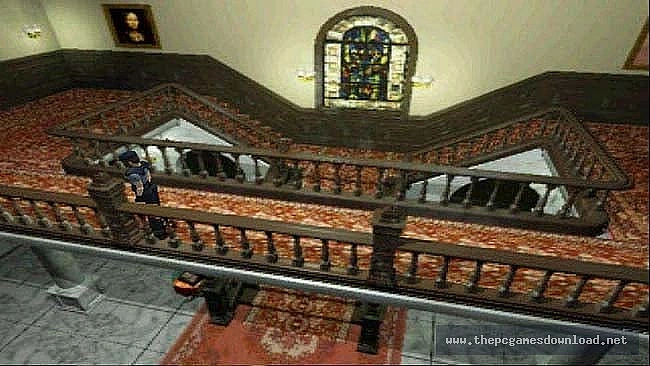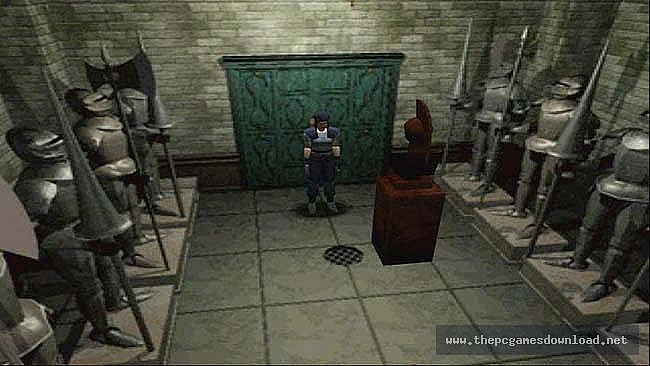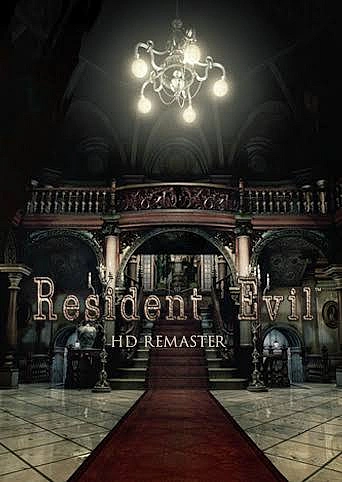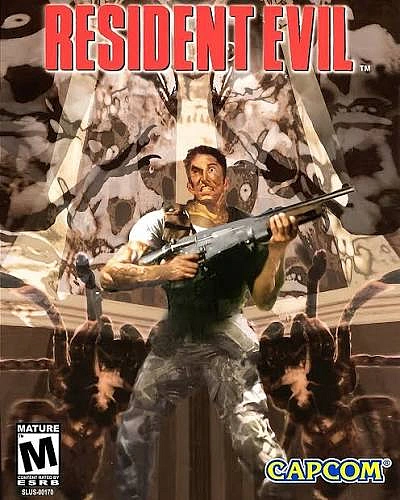
Resident Evil (1996) is the game that basically invented the survival horror genre as we know it, and even decades later, it still plays like nothing else. You're a member of S.T.A.R.S., a special tactics team sent to investigate a series of grisly murders in the mountains outside Raccoon City. When your team gets chased into a creepy old mansion by mutant dogs, you're trapped inside with limited ammo, limited saves, and no idea what's going on. That's the setup, and it's perfect because the mansion itself becomes the main character. Every hallway, every locked door, every room you can't get into yet is a puzzle piece, and the game slowly opens up as you find keys, crests, and items that let you push deeper.
The gameplay is built around resource management, fixed camera angles, and the famous tank controls. You move your character with the d-pad in the direction they're facing, not the direction you're pressing, which means running away from a zombie is genuinely stressful because you have to commit to a direction and hope you don't get grabbed. Combat is slow and deliberate. You can't move while shooting, so every encounter is a decision: waste bullets, try to dodge, or run past and hope for the best. Health and ammo are scarce, and the item box system forces you to think about what you're carrying because you only have so many inventory slots. Save rooms are the only places you can save, and saving uses limited ink ribbons, so even saving the game feels like a resource decision.
What makes it work is the tension. The fixed camera angles hide enemies around corners, the sound design makes every footstep echo, and the puzzles are genuinely clever without being obtuse. The voice acting is famously terrible, which adds to the charm, and the multiple endings based on your choices give it real replay value. It's clunky by modern standards, but that clunkiness is part of why it still feels scary.